October 24, 2024
Announcement
The Way of the DAO: Strengthening the Contracts Powering Crypto Markets
The slew of recent high-profile regulatory and criminal actions involving crypto exchanges tend to focus on the question of whether digital assets (e.g., cryptocurrencies, crypto tokens and NFTs) can be characterized as securities or commodities. Often overlooked in this debate are the decentralized autonomous organizations (commonly referred to as “DAOs”) that serve as the governance mechanism for many individual digital assets and their marketplaces. Generally, DAOs are organizations constructed by rules encoded as a computer program—with the goal being that the code and rules are transparent to all. A DAO is controlled by the organization’s members without centralized leadership or governmental oversight.
Notably, a DAO’s financial transaction records and program rules are maintained on a blockchain that is typically governed by a “white paper” and “terms of use” that, if not carefully crafted, may render the DAOs’ overall legal status unclear. The guidance to date from the courts is that a DAO’s foundational documents should be assessed using common law contract principles. This makes inherent sense, but raises concerns because often DAOs are based on coding developed by programmers without full consideration of ultimate legal effect.
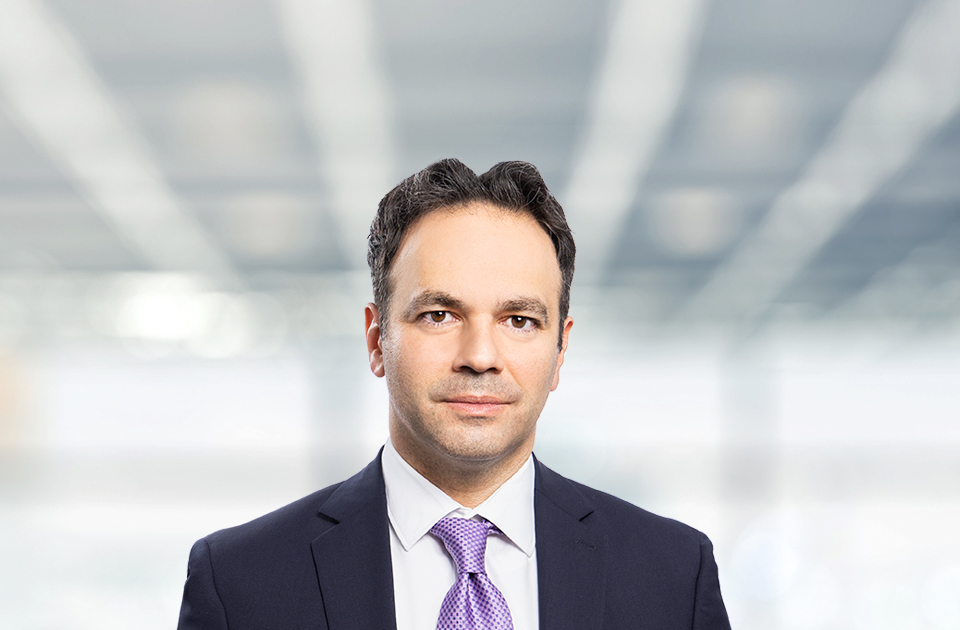
Rich Lomuscio and Mark Berkowitz are here to empower the entrepreneurs and developers creating next generation DAOs. Mr. Lomuscio draws on more than two decades experience of advising and litigating in the financial services industry. Mr. Berkowitz leverages his engineering and intellectual property background to provide clients with a deep understanding of how the law can be applied to emerging technologies.
The Way of the DAO: Strengthening the Contracts Powering Crypto Markets
The slew of recent high-profile regulatory and criminal actions involving crypto exchanges tend to focus on the question of whether digital assets (e.g., cryptocurrencies, crypto tokens and NFTs) can be characterized as securities or commodities. Often overlooked in this debate are the decentralized autonomous organizations (commonly referred to as “DAOs”) that serve as the governance mechanism for many individual digital assets and their marketplaces. Generally, DAOs are organizations constructed by rules encoded as a computer program—with the goal being that the code and rules are transparent to all. A DAO is controlled by the organization’s members without centralized leadership or governmental oversight.
Notably, a DAO’s financial transaction records and program rules are maintained on a blockchain that is typically governed by a “white paper” and “terms of use” that, if not carefully crafted, may render the DAOs’ overall legal status unclear. The guidance to date from the courts is that a DAO’s foundational documents should be assessed using common law contract principles. This makes inherent sense, but raises concerns because often DAOs are based on coding developed by programmers without full consideration of ultimate legal effect.
Rich Lomuscio and Mark Berkowitz are here to empower the entrepreneurs and developers creating next generation DAOs. Mr. Lomuscio draws on more than two decades experience of advising and litigating in the financial services industry. Mr. Berkowitz leverages his engineering and intellectual property background to provide clients with a deep understanding of how the law can be applied to emerging technologies.